USA
USA HEBREW




In this Episode
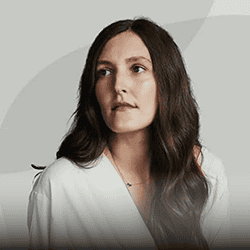
- [03:25]Ashley Neese discusses her initial interest in breath work, which began after years of therapy, meditation, and yoga.
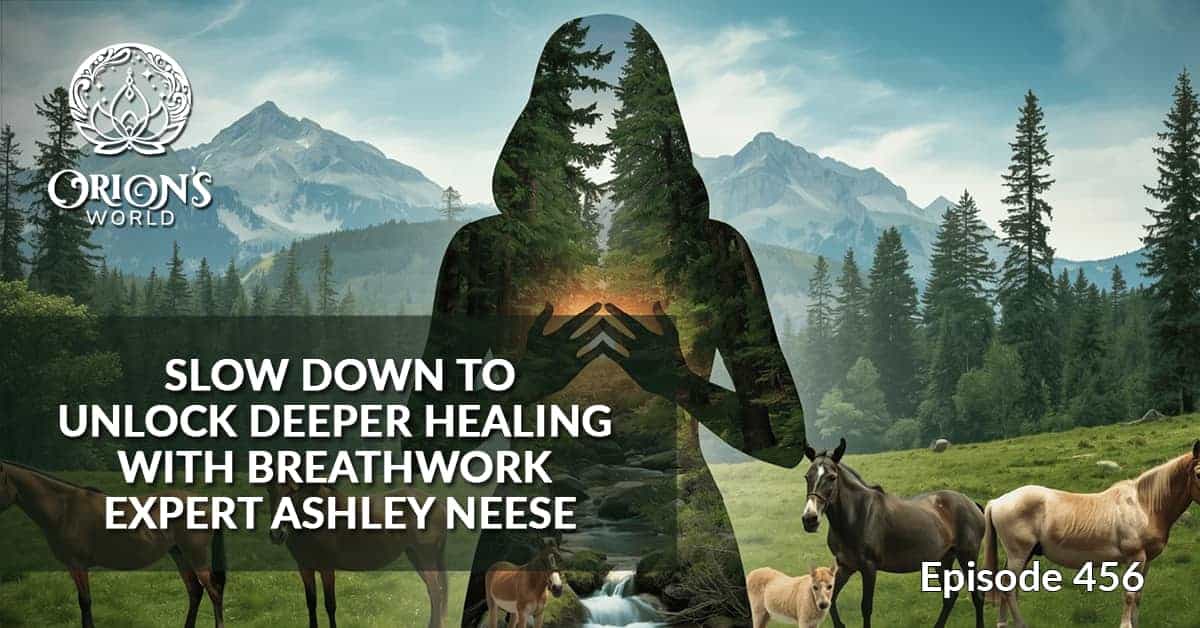
- [18:52]Ashley talks about her experience with equine therapy and how working with horses has helped her children and herself.
- [22:32]Ashley reflects on the importance of compassion and empathy in understanding her parents and their challenges.
- [28:55]Orion shares a story about meeting a woman who volunteers to help others, which gave her perspective on her own life and challenges.
- [34:23]Ashley emphasizes the importance of relational healing and the role of one-on-one sessions in addressing deep-seated issues.
- [37:03]Ashley highlights the importance of community and the supportive environment she aims to create for her clients.
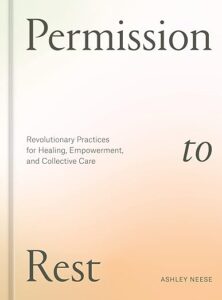
- [41:53]Ashley provides three tips for living a stellar life: practicing gratitude, staying hydrated, and taking time with one’s breath.
About Today’s Show
Hi, Ashley, welcome. Thank you for being here.
Thank you so much for having me.
Before we begin. Maybe you can share one beautiful childhood memory with me.
I’m actually reading a new book by one of my horse trainers, and it’s a book that just came out this year, and in the beginning of the book, she talks about how one of her just most important childhood memories was getting on her horse and riding into the woods because she just wanted to spend as much time in the woods as possible with her horse. I did not have a horse like that when I was a kid, but I loved spending time in the woods. I would go into the back of my parents’ house, and there was a creek back there, and I would spend a lot of time in the forest, just exploring and talking to the trees and really enjoying the quiet and the kind of solitude out there.
That’s magical. I used to have a small backyard. I would play with the neighborhood’s cats. I wish I had a creek behind my home. How do you get into breathwork? What is your core story?
I think I got into breathwork for the same reason a lot of people do. I had been in therapy for many years, and I tried a lot of different modalities, and I’d been studying meditation and yoga for probably a decade before I started formally practicing breathwork, kind of outside of meditation or hatha yoga practice, because I didn’t totally understand that you could just practice breathwork by itself. I thought that it had to be with meditation or be with yoga, because often in hatha yoga, it’s taught at kind of the end of the class, and after you do asana and after you do all the postures.
In the beginning, what really hooked me was having a place where I could breathe and let out all these feelings.
I ended up in this breathwork class in LA, and it was just breathwork, and we did some journaling afterwards, and I thought, “I didn’t even know this was possible. This was really fun.” It really kind of blew my mind because my body went through all these different experiences. I had kind of a range of emotions, a range of physical sensations, and I was at a time in my life where I was—lack of a better word—really looking for something. I think a lot of us are looking for things. I was single, had just gotten out of a not-so-great relationship, and just wanted to, I guess, get in touch with myself in a different way. I loved yoga and meditation.
As I said, I’ve been doing that for years, but there was something about the breathwork that was just immediately, kind of took me into my nervous system and immediately showed me where things felt off and where things felt stuck, and where I was holding pain or grief, those types of things. I had a big catharsis. A big emotional release. I felt like, “Wow, I just want to keep chasing this. This feels really good.” I don’t practice like that anymore. I practice a very different way. But in the beginning, that’s what really hooked me: having a place where I could breathe and let out all these feelings.
Was it the type of breathing that is a super-fast and intense type of breathwork?
It wasn’t even that. It was that fast, but it was also the setting; there’d be a bunch of us in a room lying down, it’d be dark, and the teacher would be playing this kind of intense music, so there’d just be a lot of intensity. I’m a very sensitive person, so just being in a room full of 30 people is already a lot for me. I think I present as more extroverted, but I’m actually quite introverted. I think it was just a combination of the music, the instruction, the other people, and the breathing itself that created a whole container of experience, if that makes sense.
What was the journey since? How did you develop your own modality?
For me, the healing really shifted when it wasn’t so much about the “teacher knows best” but it was more about what’s true for me, “What’s happening in my body, what am I noticing in my body?”
I developed my own modality because I kept hitting a wall in my own practice. It felt so good to go and have this big release. Release all these feelings, and kind of feel like something was changing because something was opening, or something felt like it was unlocking or moving. But I couldn’t quite get past that. I was like, “I would come in and have this big release,” but then my life would kind of more or less look the same day to day. I became curious about: “Why is there this loop?” Or “Why am I stuck in this way?”
It turned out that I had a lot more healing to do. That’s how I got into trauma work. I found a trauma therapist and started doing sensory motorcycle therapy, and got involved with somatic experiencing and different kinds of body-oriented trauma processing, because the breathwork community that I was part of, and a lot of the breathwork communities I saw, were kind of saying that they were kind of treating trauma, but actually they weren’t. It was just kind of what I would call a recapitulation of traumatic events or experiences somatically, but then there’s no real healing taking place.
I wanted the change, and so I looked to other modalities, and I looked to other practitioners and teachers who were getting more down to the root causes of nervous system issues and getting down to that root trauma, not just having catharsis. I think it’s easy to chase catharsis because it feels good, it feels fun. It’s like going on a deep kind of journey, but then it can become, for me, it wasn’t the thing. I’m still kind of not feeling good. I’m still a little bit depressed, like, “What’s going on?”
What were the magical ingredients that you had to add, in layman’s terms? I’ll understand this breathwork.
The magical ingredients for me were that I needed to slow down and be with fewer people. There’s a thing that happens. It’s easy for my nervous system when I get in a room full of people, and let’s say the instructors, like, “Okay, on the count of three, everyone scream into your hand, or something, or this is something that happens a lot, or kick or do all this kind of stuff.” When the instruction is coming from the outside, versus attuning to our own body and listening for an impulse from the inside, the result is very different.
We can kind of perform releasing anger, or we can actually release anger, and those are two different things. I had to learn to get really quiet and practice slowing myself down so I could wait and see what my body actually wanted to do, rather than what it was telling me to do. I think because of how I grew up, I was also used to just accommodating, and I was used to just following instructions, and I was also used to not thinking, the teacher knows best.

I’d better do what the teacher says, because she knows, or he knows, how to heal better than I do. For me, the healing really shifted when it wasn’t so much about the “teacher knows best” but it was more about what’s true for me, “What’s happening in my body, what am I noticing in my body?”
As I mentioned, that took a lot of therapy, and it took a lot of time being quiet, and it took a lot of one on one attunement versus in a group, you’re kind of one to many, which is a really different experience than one to one, but because so much of my own stuff, or trauma, whatever you want to call it, is relational, I really needed to repair that in relationship and not just be kind of one person in a room screaming on a floor in the dark. Already in my childhood, I didn’t need this again.
You want to talk about your childhood? We can get into that later if you want. But you know, I’ve been to those rooms where I’ve been told no. I’ll scream. I remember those moments where, like, “Okay, now I’m screaming. Do I sound strong?” “Okay, I want to scream the loudest, because this is how I am. I’m gonna scream loudly.” “Hey, am I in the A minor or the B minor?” Like, “Where’s my screaming?” As I’m screaming. I’m freaking analyzing. My screaming is so unnatural. “Can I get into a higher pitch, so my neighbor will hear it?”
I scream much louder than her; there are so many funny thoughts that are happening in your head, “Oh my goodness, I’m screaming at she’s freaking out.” The girl near me is just, she’s freaking out. I should scream less, less, less screaming. There’s so much going on, and you’re right. It takes you out of the so on one one, in one way, you kind of like fake it till you make it, you scream, and then it becomes genuine sometimes, but a lot of the time, you are in your head.
So much of my own stuff, or trauma, whatever you want to call it, is relational. I really needed to repair that in a relationship, not just be one person in a room, screaming on the floor in the dark.
This is so true for the way we, as a society, are being programmed to follow the leader. ‘Listen to the teacher. Follow the guy with the white rope, as everybody knows better than you are. Listen to your mother.’ Oh, and as a mother, I’m like, “Oh, my goodness, my poor child, I should raise them to be more independent.” Because sometimes I am like, “Listen to me, because I’m your mother.” Taking a moment to go inside and ask, “How do I feel about it?” “What’s my truth around this?” Time to slow down has lots of value, but it’s also really hard.
It’s really hard. I’m definitely a person who, in my younger years, really chased peak experiences. I spent my high school years and early college years in the rave scene. I like to do a lot of recreational drugs. I like to dance. I like to have this, was just always chasing these big experiences. I want to feel something so big. I want the loud music. I want, you know, all these things, and so coming into breathwork was similar to me. It was just like, “Okay, it’s big. I’m going to have this big emotional release and feel right. I’m going to feel so much right now,” and that’s exciting, and it’s a little bit intoxicating. There’s nothing wrong with it. It was just for me. At a certain point, I wanted something different.
What’s the value in adding that slowing down? A lot of people are fearing slowing down. This is something I struggle with, sometimes, not so much now, but in the past, way more. How do you help people slow down and listen to their bodies, and how do you help them with the healing process?
I really relate to what you’re saying, because it is hard. It can be really hard. I’ve been doing this for a long time, and still, sometimes it’s really difficult, like it is for you and my mom. I have kids and a lot of responsibilities. There’s a lot of intensity in life, and my kind of personal, little tiny life, and then in the larger sense of in our community and beyond, there’s just a lot going on. I think it’s always important, when I sit down with someone, just to name that first and foremost, there’s a lot going on. It makes sense that people don’t want to slow down, feel they don’t have the bandwidth for any more emotional processing, or whatever the case may be.
I think just starting there and finding that common ground is really helpful, because then it lets us both kind of go, we can all just take a deeper breath now, because this thing, this elephant in the room, has been named. It’s like we’re all kind of getting that feeling, and then it’s really looking at, “Okay, I’m noticing this sense of anxiety or this sense of urgency.” Urgency was a big one for me.
Even if I was doing just a mundane task like washing the dishes, I’d be washing the dishes like I was fighting for my life. I’ve been just going so fast. At the beginning, it was just an awareness practice. I asked my clients for your homework. Just start to pay attention to when you’re going really fast. That’s it. Just start to notice. Don’t even start by trying to slow down, because I think that’s too hard for some people.
There’s a lot of intensity in life; it makes sense that people don’t want to slow down and feel they don’t have the bandwidth for any more emotional processing.
The first step before slowing down is just noticing where you’re going fast, and clients come back, and they’re like, “Oh,” I’m like, turn into this monster when I’m trying to get my kid out the door. Or I’m washing the dishes really fast, or I’m showering, and I’m just like, going full tilt in the shower. It’s like, “Why am I in a rush all the time, even in times when I don’t need to be in a rush?” That’s when things get really interesting, and we can start to unpack, and then from there, we can start to sit with what it would be like in some of these moments to maybe go a little bit slower?
How do you remember? Do you put sticky notes on your refrigerator and the mirror, and then in the shower, I mean, everywhere?
In the beginning, I had sticky notes all over my house. I had a reminder like my screen saver on my phone. Just slow down, take a breath, pause, whatever it is, and just those little reminders. Now I made a big life change five years ago, and moved out to the country. We live out in the woods and a lot of acreage and a lot of space. But when I lived in the city, it was also part of my practice to walk around, finding a park, finding somewhere I could go to see trees, finding the beach, whatever it was, and just making sure that I just really had some time in nature, because it will just organically slow us down.
There’s only so much you can be like rushing through a forest before you’re like, you just your body will just slow down. It just will. It’s really cool. We start to entrain to the rhythm of wherever we are. If you’re in a busy city, like I was in LA, it’s just the pace of LA is fast. It’s just a fast-paced city, we’re going to entrain to whatever that rhythm is. When I would go to a park or go to a canyon or go out to the beach, I would just automatically start to downshift.
I still live in Santa Monica, and we used to hike the hills there every weekend. I have my daily to-do list. I think a week ago, I added this to the end of the to-do list. Every time I read that, it makes me so happy. It says, “Forgive myself, love myself and breathe deeply.” It’s a part of my to-do list. Especially as a mom, I make so many mistakes, and I have this guilt. As you said, I’m like, ‘The perfect mom,’ and then we need to get out the door, and I’m like, “Well, now, we gotta go change.” Like, I’m not that ideal, perfect mommy. I want to be. At the end of the day, I lie down in bed, and I’ll think about it, and so this is a good reminder to forgive yourself. It’s fine. We all make mistakes. How do you recognize where somebody is hyper vigilant or in survival mode? How do you help them ease into the parasympathetic nervous system?
There are a couple of things that I’ll look for, and a lot of this for a client, for example, would be happening unconsciously. A lot of it’s body language, a lot of it is the pacing in which they’re talking. People are talking super fast, or if they’re talking super slow, then I’m going to look in a different direction, but I’m going to just feel into the pacing. I’m going to focus on eye movements, body language, and also what they’re saying. Oftentimes, when there’s hyper vigilance, or when there’s anxiety, there’s always this kind of outward focus. Even if that’s with whatever they’re talking about, it’s like something out here, because we’re scanning, that’s what we’re doing, we’re like, “Okay, well, what about this problem or this problem?”
Have some time in nature; it will just organically slow us down.
It’s often future tense. There’s not a lot happening that’s actually in the present moment in the beginning. I’m just going to try to get folks, I’m going to encourage them to find something that’s here right now in this moment. Whether that’s looking around your space, “What do you see?” “Oh, I see my painting over there.” “Okay, I’m looking out the window. I see my elderberry tree.” It’s like just really getting people into the moment in a really simple and effective way, and then from there, that’s when we can start to slow down. But I gotta get people here first.
You have an elderberry tree and horses. I envy you. That’s amazing, just being around horses. I mean nature, yes. But also horses, they have this huge magnetic field coming like love coming out of their hearts, I don’t know. Every time I’m around horses, even though sometimes I get scared because they’re big, they’re so beautiful and majestic. Do you feel healed when you’re with your horses?
Definitely, and we started our horses as a rescue. We have rescued several horses over the last few years, and I have some young horses that I’m working with and training full-size horses, and then we have mini horses for the kids. They take care of them, they ride around on them. They’re really the minis are so different because they’re just so little and they’re so stinking cute. We’ve had a few that we got pregnant, not intentionally. They just came to us pregnant. We’ve had some foals born on our property, and they’re so magical.
But in terms of, I think it was the HeartMath Institute, it was one of these organizations that has done some preliminary research into what you’re talking about, like the electromagnetic field of the horse. Horses have huge electromagnetic fields coming off their heart. Their heart space is gigantic. It said this is anecdotal, so don’t quote me on this. It’s not scientific research yet, although I’m sure it will be one day. But when I leave my house and walk over to the pasture where my yearling is, the second I leave the door, she already knows, like, “What kind of state I’m in?” It’s my job as I leave the house to get to her. I do a practice where I walk.
Walk slowly to the pasture and just whatever worry, whatever anxiety, whatever thing I’m like, trying to noodle around in my mind, I just imagine water just coming down over my head and just washing it down so that by the time I get to her, I’m already clear. I’m focused. I have a clear intention of what we’re going to do for that day, or our time together. She feels that when I get there, and you can’t fake it, you can’t fake it. They use horses in equine therapy for this reason, because they’re this 1200 pound like an electro or biofeedback.
I know the mechanism. If I come out there anxious, she’s going to be like, “What’s wrong?” Horses are also herd animals, and this is really important for us as humans, apex predators, to remember that horses are prey animals and they’re herd animals, and so they’re always in this mode of cooperative learning; they’re going to learn from the herd. They’re going to look to me, she’s going to look to me and go, “Okay, what kind of day are we going to have together?” And vice versa. But even just when I’m out there brushing her or picking stuff off of her and just standing next to her, it’s amazing how regulated and how grounded I can feel.
Can I come visit you?
I have our oldest child, just turned seven, has quite a bit of anxiety, and we have been working with them on getting really comfortable with one of the many horses, and I’ll tell you, in the last like two months watching them to being so scared of the horse, to now going out in the pasture, putting the halter on, walking him back, picking up his feet, putting on the saddle, just doing all the things that he needs, really taking care of him. It’s amazing how much our kiddo has just gotten so much more confident, not just with the horses, but with themselves, and has a lot less anxiety. They’re really magical creatures.
Get into the moment in a really simple and effective way, and then, from there, start to slow down.
A really beautiful memory I have was I spent some time in Seattle in a program called 40 Years of Zen. Have you heard of it? It’s from Dave Asprey. The promises, you go there, and in a week, you get to a level of a Zen monk, a Zen Buddhist monk, which didn’t really happen, but I had a lot of breakthroughs. I’m not there yet. Oh, but you go there, and you have a private chef, and you do a lot of newer feedback, and you do sessions with a psychologist, and you get crazy supplements, like Anor acetone, and lots of like brain supplements.
But it’s really beautiful. It’s like a small estate, and it looks like Hogwarts or something like that. It’s really pretty. It’s in a place that is in the countryside, and it’s full of farms. I remember one day walking out, and there were three horses in the distance, and I just called them, and they ran as they ran to me, like they were my best friends. They were just like, “Hello,” “Hi there.” So cute. They all came to me, and it felt expensive.
It felt so like I really understood that idea of the electromagnetic fields right there and then, where I had those three amazing things coming toward me. It was amazing. But even I’ve done so many things to heal trauma and a bunch of seminars and breathwork and whatever, like, “Does it ever end?” How do we maintain it so we’re better and better every day? Because sometimes I feel like I regress,
I think that is part of it. I always have. Thinking about healing and change is like a spiral, and sometimes we’re just looping back to some other place. It was like, “Oh, I’ve been here before, but maybe this time the flavor is a little bit different, or maybe this time I’m not quite as angry. Or maybe this time, there’s some there’s always some subtle change that’s happening.” But I think it is such a just process, and it just takes so long. I remember years ago in a somatic experiencing training, and the teacher was saying she was, I can’t remember how old she was in the training.
She was in her 70s. She was like, “At some point, I just decided I’m just done talking about my parents. I’m done talking about my childhood. I’m done going over all the things. I’m over it, I’m done, I’ve hit a wall, I’m 70. Now, can we talk about something else?” Of course, everyone in the room is laughing because we’re like, “Really, can we?” I think it just changes for me, I think, as I get older, especially as I parent and as I continue on with my work, I definitely have so much more compassion for my parents now, I have so much more empathy for them. I have more understanding of the tools that they had available to them and the resources that they had available to them, and also how they grew up and how that affected how they parented me.
Healing and change are spiral, and sometimes we’re just looping back to some other place.
All the things, it’s like when I was young, I just couldn’t see any of that. How could I, but especially becoming. A parent. I’m like, “Well, this is hard. It’s hard to be a parent. Okay, I get it, you guys did a lot of things wrong, and it makes sense given the tools that you had.” It’s not an excuse, and it’s not a pardon, but it’s also just this place for me, of I’m really, yes, there’s a part of me that’s kind of always looking back to heal, but I really am so interested in being in the moment now. I really just want to be with my kids, and I want to just do the best that I can, you know, and know that I’m going to make so many mistakes.
My kids are probably going to need therapy, and I’m already, I’m already setting my partner and I joke, we’re setting aside money for you guys to go to therapy later. Okay, so we don’t tell this to them. We joke about this in private, but I’m like, “They’re going to need a therapy file. Therapy fund. It’s fine. It’s just like, there’s no way to get this, be perfect at this.” But I think for me, I will feel like I’ve done a good job if my kids at least feel comfortable enough to be like, “This isn’t working. Can you change some things? Or can we have a conversation?” As long as there’s communication open, that’s my hope.
Do you feel like you forgave your parents, or do you feel like you just peeled some layers of the onion and there is more?
There are probably both. I think the forgiveness for me is a choice, and it’s not an end road. It’s a practice. Saying, “How are you at the end of every day. It’s a practice, right?” Just like choosing a relationship as a practice, or just choosing, just trying each day to be like, “Hey, I’m just gonna try to not lose my sh*t today on my kids. Let me just practice that one thing, that’s all I can do.”
How do you think you’ve changed? Or what were your aha moments from your journey so far?
Breathwork has definitely been just a constant for me. It’s like the foundation of resting.
That’s a great question. I’m in a really interesting place right now because I’ve been on a different phase of my journey. I’ve been doing training in psychedelic therapy for the last year and a half, and I’m deep in training now, not just training, but also doing psychedelic work myself, and I’m just amazed at how it’s like, each modality that I’ve studied, each guide or practitioner or teacher that I’ve had, especially they’re really good ones. I’ve had some not-so-great ones. I’ve learned from them too, but that there’s just so many layers, as you said, there’s layers to this onion, there’s layers to this healing in places where I felt like either that’s hopeless, that’s just never going to heal.
I’ve had some shifts there with the psychedelic therapy. I’ve had movement there that I didn’t think was possible. It hasn’t been as dramatic as I’d hoped. It’s not happening as quickly. It’s never happening as quickly as I want, if I’m honest, but it’s still happening. There are these like micro shifts that are happening within my nervous system and within my life, from the work that is really helping. Breathwork has definitely been just a constant for me. It’s like the foundation resting, and then layering some of these deeper modalities on top is really helping.
Because the thing about breathwork, and this is something that I’ve learned, especially over the last couple of years, is that it’s not the end-all thing. It’s not a panacea. It’s not going to solve all of our problems. It’s not going to cure us, but it’s a really powerful practice for resourcing ourselves. We all need resourcing in whatever way, whether that’s through hanging out with nature, whether that’s through breathing, whether that’s through taking a walk, exercise, whatever it is, singing, art, but we need ways to resource ourselves, and that’s a really powerful way to resource ourselves.
I think that’s been an aha moment for me, too. Just sometimes I put so much hope in something to be like, “This is going to be the thing that finally unlocks the code,” and then I’m gonna be like, “Here, and that’s just not really how it works.” These things help so much, and they’re so amazing, but part of it is just, we have to just get through this life in a body, and it’s like, weird and uncomfortable and hard and sad and painful and beautiful.
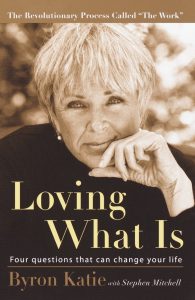
Learn how to get really quiet and practice slowing down so you can wait and see what your body actually wants to do, rather than what it is telling you to do. Share on XIt’s like Byron Katie’s book. Loving What Is, we just have to love what is, yes. Every time we create all this resistance and friction and stories in our head, we’re just becoming miserable when you’re just like, “Okay, this is what it is, let’s take a deep breath,” and then going into gratitude. There is also the idea of being grateful for what’s not working; I had the time. Not only like, “Thank you for all these amazing things, but thank you for the suffering. Thank you for the struggle. I don’t know the big plan, God, but I know you got my back. It’s fine. Thank you. Thank you. Thank you. Thank you.”
But it’s like, “I need a lot of sticky notes. Let me remember all that I can teach. Let me tell you. I can tell you exactly what to do, but to actually do it.” It’s constant, it’s focused, it’s intention, sticky notes, and sometimes my partner will help me back on track when I get lost. I’m so grateful I have him and even my kid; he’s got the best advice. He’s six, but he’s so smart and brilliant, and I’m so grateful for everything I have. I went to an event yesterday to do some kind of thing with robotics, with the kids, and I met a woman there who is volunteering, and she’s helping this other woman, her husband was serving in the army, came back with post-traumatic stress. She’s just a normative young lady, very young.
She’s got a one-and-a-half-year-old and two super young twins, and now her husband just lost it and left. But what’s beautiful about this woman is that she goes there, she helps her cook, and the whole community just came together to buy her diapers and basic things, and she tells me, “You know, I go there.” She’s got three kids of her own, and I have no problems. I see what other people go through, and I volunteer, and that gives my life perspective. I offered to volunteer, too, which I’m going to do, because a lot of people here are suffering.
They also she’s got volunteering for elderly people, and she gets the kids to bake together and go and visit the elderly and give them, like every Friday, just give them cakes and stuff. It’s really beautiful. We need to see people do that. You get out of it, I get out of my thinking about my own onion layers that need to be peeled and be like, “You have a pretty good Orion. This is not bad at all. Just be more grateful, and everything’s gonna work out.” Tell me about the psychedelic practices that you’re doing. Are you doing the psilocybin? Do you microdose? Are we talking MDMA, or what are you studying with?
I’m studying with ketamine, just because it’s in California, it is you can get it legally. You have to prescribe. You can get it legally. It’s important for me to be able to work with something that my clients can get and not have any issues with. But it’s an amazing dissociative. I started down this road because I was really interested in my own all the ways that my nervous system dissociates, and I dissociate in my life. Ketamine is really good for helping to clear the dissociation in people with PTSD, and it’s been widely researched.
There’s so much research on it, so that’s also a really nice piece. But I’m excited, I haven’t started seeing clients yet in that way. I’m going to be finishing with my training and the end of the spring, and I’m curious to see how it’s going to shift things, especially for some of the clients that I’ve worked with for a while, and being able to introduce a new modality to them and a new practice to them, and just to see what it can open up, just because I’ve seen how much it’s opened up in my own life, and just it pairs so well with breathwork, and it pairs so well with all these other modalities, because so much of that comes into the work and into the space.
But for a lot of us, and obviously I’m including myself in this, but there’s just some places within my nervous system that are hard to access while my kind of cognitive mind is still going right and so the psychedelics, that’s one thing they can really help with, is just to kind of quiet that executive function so that more subconscious piece can come forward. When we’re talking about somatics and the implicit memory. We have kind of procedural memory, and we have implicit memory, and the implicit memory is just what’s happening in our body. It’s just on its own, without any conscious thought.
A lot of those memories are really hard to access, just sober. We have so many defense mechanisms in place that are so beautifully and kind of extensively woven. There’s a reason. It’s protective, and so when we start to take the medicine, it can kind of let those protective defenses come down just enough to be able to do the work. There’s a lot of it’s interesting with psychedelics and breathwork, because there’s a lot of correlations. If there are a lot of people practicing psychedelics, they practice breathwork.
There's only so much you can rush through a forest before your body will just slow down. It just will. We start to entrain to the rhythm of wherever we are. Share on XYou go into a room that’s dark, there’s loud music, you take drugs, and you have an experience. The person who’s kind of guiding the session is just basically guiding, but they’re not really working with you relationally, and that’s the piece that I’m interested in. I think sitting with people, one-on-one, is so important in order to heal relational wounds; we really need that repair in that relationship. That’s where the actual repair happens. I became curious about psychedelics as a way to do this repair.
A lot of the psychedelic modalities are really more of a sitter model, and that’s fine, because some people just want to take ketamine and just put an eye mask on and check out for an hour. To me, that would be considered more recreational use of ketamine, which is fine, or they want to take ketamine and like, “Go dance or go to a club or whatever it is they want to do.” But I think that there’s another layer, or that’s possible when we can sit with somebody and actually have a relational experience that’s not just somebody watching us.
What I feel from you through the screen is that you’re a master at holding space with people, as you can really hold somebody when you’re with them one-on-one. This just comes across so strongly in your field, in your aura, in the level of commitment that you have, and why you want to help people so much.
Thank you for this question. I think for a long time it just felt like something I had to do. It was something I was being pushed to do, and not by any particular person, necessarily, but I think that’s why I just I think that we all have our magic, we all have our gifts, we all have our talents to share with the world, whatever that looks like. I think that my healing practice, I’ve always considered myself an artist. I think I consider myself an artist, first and foremost, a creative person, before I would consider myself anything else.

But I think that’s part of what intrigues me about processing, and what intrigues me about healing and transformation is that it isn’t inherently a creative process, because we have to take so many risks and be willing to play and be willing to try new things, and be willing to get it wrong, and be willing to feel so deeply and so intensely and be willing to face so much sh*t that we don’t want to face. That’s it’s so connected, I grew up going to art school. I went to art school for college, got a master’s in art. There’s so much in my early years as an artist that still carries over to my work today. It just looks different. I’m just sitting with people instead of painting on a canvas and showing it in a gallery. But there’s so much there that’s connected for me.
That’s so beautiful. How do you see yourself moving forward with this psychedelic treatment? Do you see yourself more keen on small groups, only one-on-one, teaching courses about it? How do you think you’re going to do it?
20 years from now? I don’t know, but my plan was always to be more of a teacher’s teacher, helping teachers facilitate. I’ve done so much mentoring. I always end up with a handful of mentor clients who just find me, either their clients that I’ve worked with and as a practitioner, like as their practitioner, or just people who find me, and they’re like, “I’m a practitioner, and I have a practice, but I need help.” I think that unless you go through a lot of formal training and have a community, and really have a lot of the training that I’ve done, I’ve become friends with a lot of those people, and then we get together and do training.
Actually did this was two years ago. I did my first year of PhD studies in somatic psychology. After my first year, it was great. I learned so much. I had such a great cohort. It was like, so nerdy and grainy and academic and just writing all these hard essays and studying like crazy. But then afterwards, I was like, “I want to be with people.” I don’t want to just sit in front of the computer, and research is cool, and it’s interesting, and I don’t have an Aquarian, so I’m kind of a researcher by nature. But I don’t want that to be the core center of my life. I want to, I need people in my life even as an introvert, but in terms of what that looks like more immediately, my dream and my vision for the end of 2026, I would say by fall 2026, we just have this vintage trailer that we purchased. It’s so beautiful. It’s from the 50s. We’re going to renovate it.
Healing practice isn’t inherently a creative process because we have to take so many risks, be willing to play, try new things, and get it wrong. Share on XWe’re going to set it up to water, set it up to all the things, and then have people come out to the land where they can do more immersions with me. They would come and stay out here and then work with me every day for a couple of hours, doing a journey. Maybe first day, we’re just doing breathwork. We’re doing grounding for all those things. The next day, maybe day two, three, we’re doing psychedelics. Then, after their sessions, they can come and be with the horses.
They can go sit out in the pasture with the donkeys. They can go get something out of the garden. I think that there’s just, I’ve had so much, I would say, over the last 20 years, when I go on retreat, or when I go to do an immersion, I just feel, to your point, so much can happen in such a short amount of time, and we’re just kind of plucked out of our lives. I know it is such a privilege to even do something like that, but my hope is to create that space here. I want to really bring people out onto this land, because there’s so much healing here and so much magic here.
I want to go. Please go into Academy with you.
You are invited.
Your donkey and horses probably have chickens, too.

We actually don’t. We had them. I got them two years ago for my middle child, because he really just turned four, but he was two, one in chickens. We did the whole thing. We ordered the special ones from the catalog, and they sent them to him in a box. They’re like chirping when you pick them up at the post office in town. It’s so funny. We got him home and set him up in my office. With the lights and everything. Once they got big enough, we put them outside in the garden, and then they got to the point where they kind of became teenagers. I was like, “They’re not fuzzy anymore. They’re kind of weird-looking everywhere.”
I kind of saw my future in the next year. I was like, “No, no, I actually don’t want this.” I think when the kids are a little older, we’ll try again. But I was like, “I don’t want to deal with the chicken coop.” Because of where we live, we can’t, they can’t be free range because we’ve got bobcats, we have a mountain lion, we have bears. We have, like, whoa, so much out here. I like, we can’t just have them free ranging all over, though, they won’t live.
Oh, that’s amazing. Your farm sounds so magical. Is it hard to live on a farm?
It’s definitely a lot of work. There are chores, there are endless chores. We get up early. My friends joke that the horses eat before we do in my house, my kids eat first, because otherwise they can’t function without eating, because we get up at five. But we’ll have, you know, we have a big farm breakfast. We have all the things you would imagine. We get out, and we feed the horses, and some of them have to have certain supplements and do all that. That kind of just begins our day, that sets the rhythm for our day, but it’s a lot.
Forgiveness is a choice, and it's not an end road. It's a practice. Share on XThis year was exceptionally tough because we had to make a really hard decision and put two horses down, and we also had to put one of our dogs down. There’s so much beauty, and we’ve also had two horses born here this year. It’s like life, it’s like this beautiful cycle of we put one horse down, two weeks later, another horse is born. It’s just so incredible to be part of that rhythm and part of those seasons and part of those cycles. As we were talking about earlier, to me, that’s so much about the healing. The seasons and the cycles and the spirals, and to be able to just witness it and care for it daily is really nourishing.
What are your three top tips to live a stellar life?
Oh, that’s a really good one. I am just, and I love that you brought this up earlier. I’m back into my gratitude practice. I had a very long, committed gratitude practice for many years, and I’m just getting back into it. I had a practice where I was, I was this was even before, people were texting a lot, so this is quite a while ago, but we would email our gratitude list. I had just recently reached out to a couple of girlfriends. I’m like, “Can we sort of chat for just gratitude, because I like to practice that in community?” I think it’s so fun to read other people’s lists, and I also like the accountability, so group chat, gratitude is definitely one thing hydrated, which I know sounds so basic, but it’s so key.
For me, our hydration is directly linked to our nervous system. As soon as we get dehydrated, we start getting dysregulated, we start getting into fight or flight mode, and our muscles get tense, and all these things. I need, as tired as I am, as a ranch hand and mother and business owner and all these things, I have my god, I keep my brain as sharp as I can, and I just drink tons and tons of water. Sometimes I’ll put electrolytes in it, lemon, salt, whatever, but that’s a really big one. Water on your property.
Do you have a well?
We have a well. We have several, actually. We do have to filter the water because it comes out pretty intense. It’s not like what you would see in the commercial. It’s like this beautiful spring, and we don’t have that, but the water is clean. It just has to run through a couple of filters to get all the sediment and stuff out, because it’s literally just pumping straight out of the ground. The other one for me is just really taking time with my breath each day, whether that’s just three slow inhales and three slow exhales, I usually do when I wake first thing in the morning. Just try to take a really long breath and just kind of be like, “Okay, we’re starting the day.” But just as a way to let my mind and my body and my heart, like everything, kind of get on board, to get up, and sometimes my kids screaming at me already at five in the morning, and it’s like, “Okay, here we go.” But whatever it is, it’s just those little touch points throughout the day, amazing.
Well, thank you so much for being here, Ashley. Thank you for everything you shared. Thank you for all the fun stories about the farm and all your wisdom and all the good things that you do in the world and the bright light that you are.
Thank you so much. Was so wonderful to be in connection with you today.
Thank you, and thank you listeners. Remember to create a group chat for gratitude. Drink lots of water. Take time with your breath every day and have a stellar life. This is Orion, till next time.